Clear, unglamorous explanation
A practitioner should be able to describe what happens in plain language, without mystique. Vague or grand language about powers, energies or guaranteed transformation is a reason for caution, not enthusiasm.
Local Practice
If you are looking for a regression therapist in Mumbai, this page is written to help you decide well rather than quickly. It covers what to look for in a practitioner, what to ask before booking, how to prepare for a first conversation, and what a session realistically involves.
The Local Context
Mumbai is a city that rewards momentum. Long commutes, dense schedules, shared homes, extended family obligations and a culture of constant availability leave very little uninterrupted space — and reflection needs uninterrupted space more than almost anything else.
Many people who come to regression therapy in Mumbai describe a version of the same thing: they have been managing something for years, competently, and have never once stopped long enough to look at it. The difficulty is rarely a lack of insight. It is that insight requires a quiet hour, and the quiet hour never arrives on its own.
A session is, in a practical sense, that hour — protected time in which nothing else is being asked of you. Whether the exploration goes deep or stays entirely in conversation, the structure itself creates something the ordinary week does not.
Mumbai's geography matters more here than in most cities. Travel between the western suburbs, the central line, the harbour side and South Mumbai can consume a significant part of a day, and arriving at a session already depleted is not a good beginning. When you get in touch, it is worth discussing timing honestly — how long you will realistically take to arrive, what time of day leaves you least rushed, and what you have scheduled immediately afterwards.
Reflective work is far more useful when it is not sandwiched between two obligations. Leaving some room after a session is one of the simplest things you can do to make it worthwhile.
Talking about therapeutic work is still uncomfortable in many families and workplaces. That discomfort is taken seriously: sessions are private, what is discussed is not shared, and no client story, image or account appears on this website. You are not required to explain your reasons to anyone, and you are not asked to disclose more than you wish to.
At a Glance
Session timings and arrangements are discussed individually when you get in touch, so that travel and scheduling can be taken into account.
Choosing Well
Regression therapy is not a regulated profession in the way medicine is, which places more responsibility on you as the person choosing. These are reasonable things to look for — whether you approach this practice or any other.
A practitioner should be able to describe what happens in plain language, without mystique. Vague or grand language about powers, energies or guaranteed transformation is a reason for caution, not enthusiasm.
Anyone practising responsibly will tell you what their approach cannot do. If limits are never mentioned, or if outcomes are promised, treat that as significant information.
Regression therapy does not diagnose, treat or cure conditions. A practitioner who suggests it can replace medical or psychiatric care, or who advises altering prescribed treatment, is operating outside safe practice.
You should be told clearly that you can pause, redirect or end a session at any point — and you should feel that this is genuinely meant rather than a formality.
A practitioner should explain that material arising in a session is subjective and should not be treated as verified historical fact. Certainty on this point is a warning sign.
Sometimes the right answer is “this is not the appropriate support for you right now”. A practitioner willing to say that is demonstrating judgement, not turning away business carelessly.
Before You Book
You are entitled to ask all of these before committing to anything. How they are answered will tell you a great deal.
Getting Ready
Preparation is light. You do not need to arrive with a formulated account, a list of memories, or any particular clarity about what you want. A few small things do help.
Rather than trying to summarise everything, pick the single response or situation you would most like to understand. Specific beats comprehensive.
Write down anything you want to ask. It is easy to forget a question once a conversation is under way.
Choose a time when you will not be rushing from or to something demanding, and allow for Mumbai travel realistically.
Tired, uncertain or sceptical is fine. There is no state you need to be in before the conversation can be useful.
Sharing that you are under medical or psychological care is not a barrier. It helps ensure that any complementary work is appropriate and properly coordinated.
A first conversation is for finding out whether this is worth doing. It is not a commitment to do it.
The Session Itself
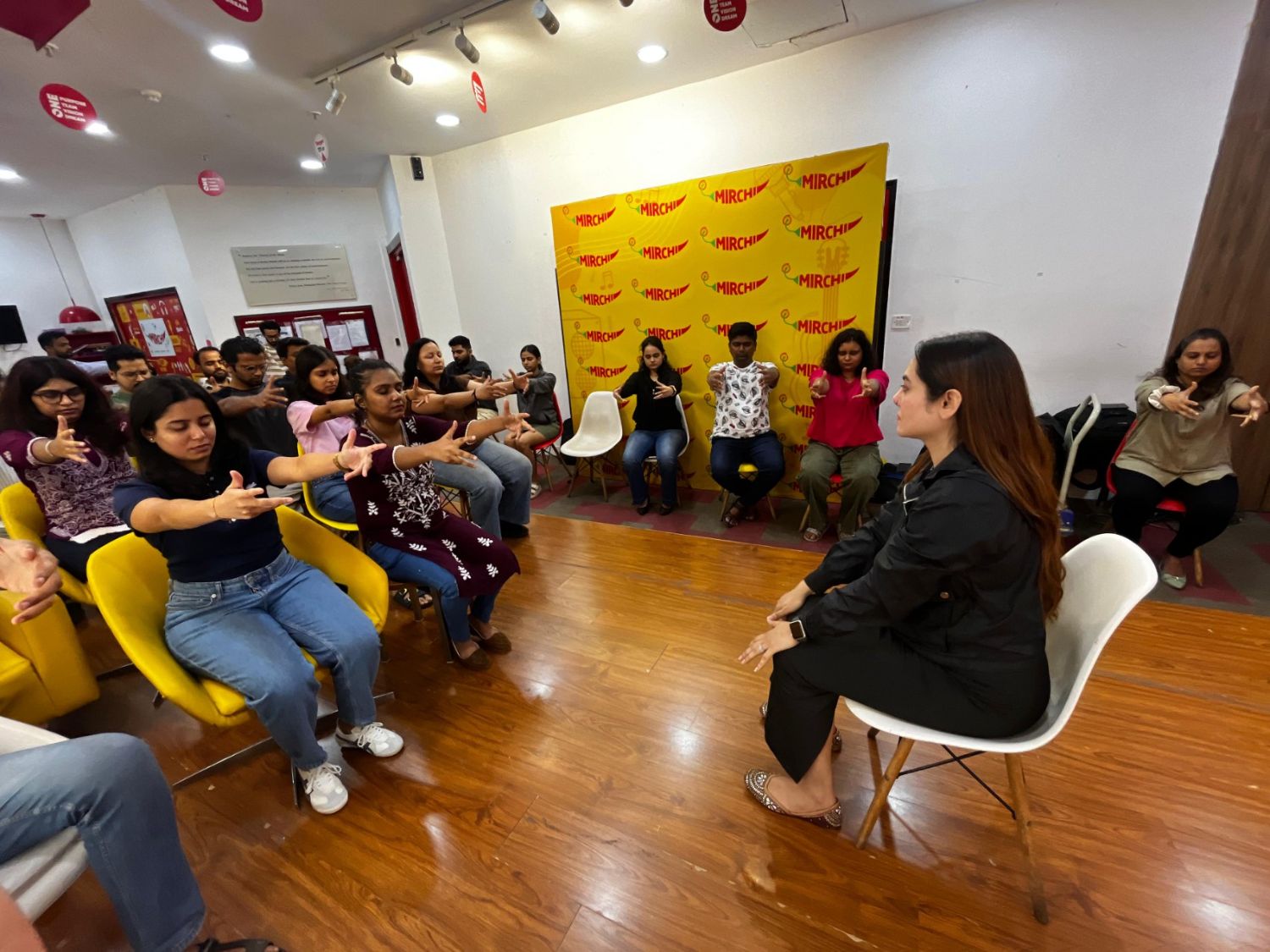
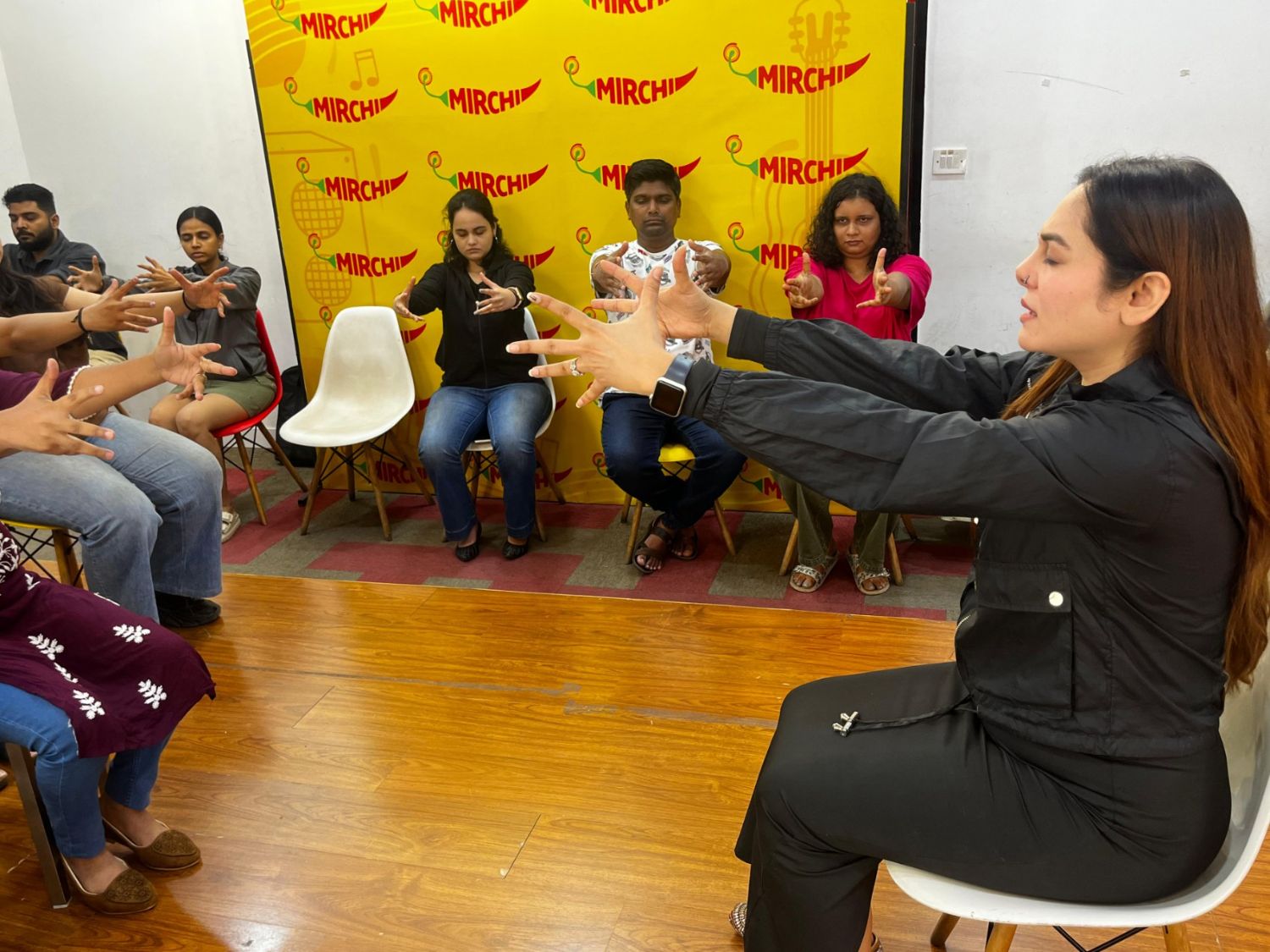
Whatever you may have read or seen elsewhere, a regression therapy session is a quiet, conversational hour. There is no theatre, no stage technique and no dramatic induction. You sit or recline comfortably, you talk, and — if and when you are ready — you spend some of the time with your attention turned inward while a practitioner asks open questions.
Regression therapy and hypnotherapy offered in Mumbai through this practice are complementary approaches intended to support self-understanding. They do not diagnose, treat, cure or prevent any medical or mental-health condition, are not a substitute for professional healthcare, and carry no guaranteed outcome.
If you are experiencing significant distress or a mental-health crisis, please contact a doctor, a qualified mental-health professional or emergency services rather than relying on this website. Where you are already receiving care, please discuss any complementary approach with the professional treating you.
The first step is a conversation about what you are noticing and whether this approach is likely to be a reasonable fit. There is no obligation to book anything afterwards.